
Washington was supposed to deliver crypto clarity this year.
Instead, it delivered gridlock.
What started as a bipartisan push to draw clean lines around digital asset markets is now stuck in Senate crosscurrents — committee turf wars, stablecoin yield fights, shutdown drama, and the slow gravitational pull of midterm politics.
Eight months before voters head to the polls, insiders are using the same phrase: on hold.
Not dead.
Not moving either.
The House Moved. The Senate Didn’t.
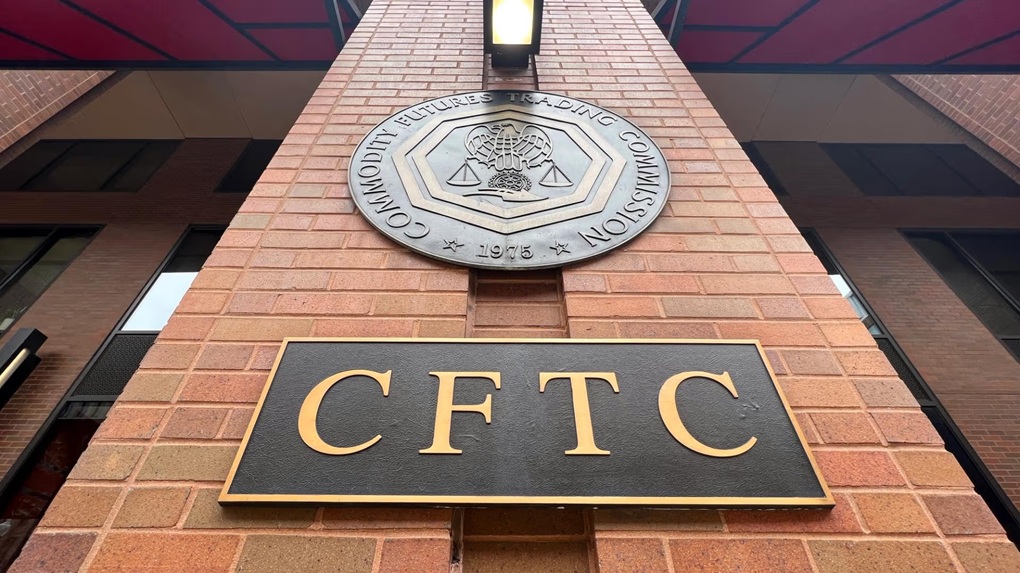
When the House passed the CLARITY Act last summer, the crypto lobby exhaled. The bill aimed to divide oversight between the Securities and Exchange Commission and the Commodity Futures Trading Commission, define token classifications, and give trading platforms a rulebook that didn’t change every quarter.
For a moment, it felt like momentum.
Then it hit the Senate.
The Agriculture Committee — which oversees the CFTC — advanced its version. The Banking Committee, which controls securities law, didn’t. A January markup was canceled. No firm replacement date. No unified draft.
In Washington terms, that’s a stall.
And in election-year terms, stalls tend to harden.
Legislative Bandwidth Is Finite
Crypto didn’t lose the argument. It lost the calendar.
A historically long government shutdown chewed through Senate oxygen. Ethics battles and budget fights swallowed floor time. Lawmakers defaulted to survival mode.
When that happens, niche financial legislation drops down the stack.
In my experience watching financial reform cycles, urgency is everything. Without a crisis or a euphoric bull market, complex frameworks drift.
Right now, markets aren’t screaming for reform. They’re… fine. Cooler. Stable. Less politically urgent.
That matters.
Bull Markets Open Windows. Flat Markets Close Them.
There’s a pattern here.
Crypto legislation moves during:
- Mania
- Meltdown
During mania, institutional money floods in and demands clarity. During meltdown, public anger demands oversight.
Stagnation produces inertia.
We’re in the third phase.
Industry executives are still lobbying. Banks are still watching. But the political temperature has cooled. And with midterms approaching, lawmakers pivot toward issues that resonate with broader voter blocs.
Crypto market structure? Important, yes. Emotional? Not really.
The Stablecoin Yield Fight Is the Quiet Landmine
Even if procedural delays disappeared tomorrow, there’s a substantive problem sitting in the middle of the bill: yield.
The GENIUS Act set guardrails for payment stablecoins — reserves, disclosure, limits on direct yield. But whether third-party platforms can offer yield on stablecoin holdings remains unresolved.
Banks are nervous. Very nervous.
From their perspective, yield-bearing stablecoins could accelerate deposit outflows. Less deposits means less cheap funding. Less funding means tighter lending conditions.
Crypto advocates argue the opposite. If yield is market-driven, blocking it just pushes activity offshore or into synthetic wrappers.
This isn’t a technical footnote. It’s a fight about:
- Bank competitiveness
- Consumer access to yield
- Regulatory boundaries
- Dollar dominance
Until that tension settles, market structure alignment stays stuck.
Election Math Is Not Friendly to Crypto
The Senate will likely recess in August and return barely two months before November voting.
Primaries are already underway in states like Arkansas, North Carolina, and Texas. Lawmakers are calculating risk, not refining digital asset taxonomy.
Crypto reform doesn’t headline campaign rallies.
Even supportive senators have to weigh optics. Is this the issue you spend capital on while voters worry about inflation, jobs, healthcare?
Probably not.
Optimism Without Mechanics
There’s still talk. Always talk.
Industry groups like the Digital Chamber remain publicly upbeat. Executives, including Brian Armstrong, have struck optimistic tones in private discussions. Senator Bernie Moreno has floated aggressive timelines.
But optimism is not a markup schedule.
In Washington, bills move when:
- Draft language circulates
- Bipartisan co-sponsors sign on
- Committee chairs commit floor time
Right now, those signals are thin.
Committee Turf Is Real
The Agriculture Committee advancing commodity-style oversight signals comfort with CFTC jurisdiction for large swaths of digital assets.
The Banking Committee’s hesitation reflects ongoing tension around securities classification and investor protection standards.
This isn’t semantic.
Who regulates determines:
- Enforcement philosophy
- Disclosure burdens
- Litigation exposure
- Industry cost structure
Bridging that divide requires compromise. Compromise requires time. Time is evaporating.
Agencies Are Filling the Vacuum
Outside Congress, regulators aren’t waiting.
The SEC and CFTC continue shaping digital asset policy through enforcement actions and interpretive guidance. Exchanges, issuers, and DeFi protocols are adapting in real time.
That reduces congressional urgency. If agencies are actively policing the space, lawmakers feel less pressure to legislate.
But enforcement-by-litigation isn’t clarity. It’s improvisation.
Institutions want statute. Not vibes.
The Risk of Drift
If market structure legislation slides past the midterms, the US enters a prolonged drift phase.
Drift means:
- Institutions hesitate
- Capital allocates cautiously
- Innovation migrates
- Fragmentation deepens
The European Union already rolled out MiCA. Imperfect, yes — but predictable.
Predictability is currency.
The longer the US debates, the more comparative advantage shifts outward.
Crypto’s Identity Problem
There’s another undercurrent here.
Crypto used to be framed as bipartisan innovation. Over time, it’s picked up partisan shading. Association with specific political figures and donors has complicated the narrative.
Once an issue becomes politically branded, compromise gets harder.
And when most voters still see crypto as abstract, lawmakers have little electoral incentive to fight through complexity.
That’s a structural disadvantage.
What Would Change the Equation?
Momentum would return if:
- Institutional capital visibly accelerates and demands clarity
- A major market event exposes regulatory gaps
- The stablecoin yield issue finds a middle ground
- Senate leadership prioritizes committee reconciliation
Absent one of those triggers, incremental progress continues — but comprehensive passage looks unlikely this session.
That’s not ideological defeat. It’s timing.
Timing Is the Variable That Matters
Legislative windows open when three things align:
- Economic urgency
- Political bandwidth
- Bipartisan compromise
Right now, those variables aren’t aligned.
Markets are calm.
Elections loom.
Committees disagree.
That doesn’t mean digital asset market structure reform dies. It likely means it rolls into the next Congress, where political composition and priorities may look different again.
Crypto has always moved in cycles.
Turns out, so does policy.
Disclaimer
This article is for informational and educational purposes only and does not constitute financial, investment, trading, or legal advice. Cryptocurrencies, memecoins, and prediction-market positions are highly speculative and involve significant risk, including the potential loss of all capital.
The analysis presented reflects the author’s opinion at the time of writing and is based on publicly available information, on-chain data, and market observations, which may change without notice. No representation or warranty is made regarding accuracy, completeness, or future performance.
Readers are solely responsible for their investment decisions and should conduct their own independent research and consult a qualified financial professional before engaging in any trading or betting activity. The author and publisher hold no responsibility for any financial losses incurred.