
AI vs Humans in Prediction Markets: Speed Already Won
Prediction markets were supposed to reward insight.
That was the pitch.
You bring information. You form a view. The market aggregates it. Prices converge toward truth.
That still sounds nice on paper.
In practice, it’s breaking.
What’s actually happening now is simpler: speed is taking over. Not gradually. Already happened.
The Edge Was Never Supposed to Be Latency
Early prediction markets weren’t designed like trading engines.
They assumed:
- information comes in unevenly
- humans react at different speeds
- prices adjust over time
That’s the whole “wisdom of crowds” idea.
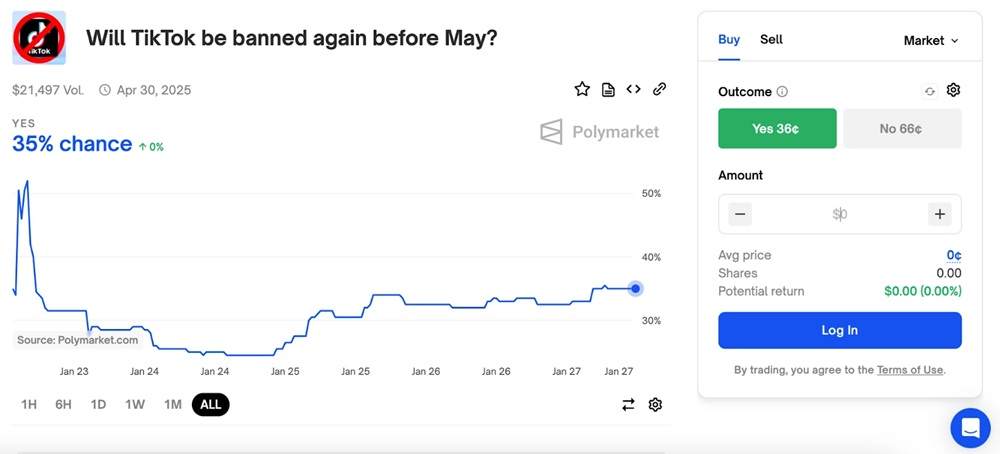
But spend even a few minutes watching live markets on Polymarket, and you’ll see something else.
Prices don’t drift. They snap.
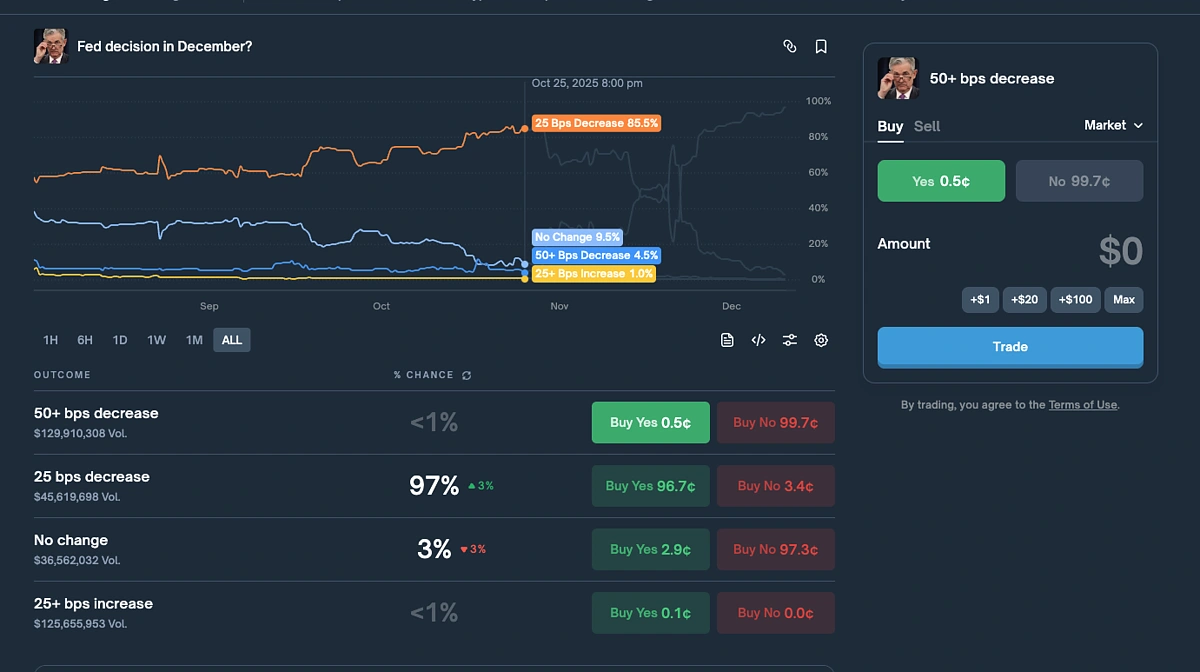
Sometimes probabilities don’t even add up to 100%. You’ll see gaps—real ones. Temporary mispricings that shouldn’t exist in a clean system.
And they don’t last long.
Because bots are already there.
Arbitrage Here Isn’t Smart — It’s Mechanical
This part is important.
People assume profits come from being right.
That’s not what’s happening.
If one outcome trades at 40% and another at 50%, the total is 90%. That’s a free trade. You buy both sides and lock profit.
No prediction. No insight. Just math.
Across related markets, it gets worse:
- one contract implies 60%
- another implies 50%
That spread shouldn’t exist. But it does. Briefly.
The only requirement is speed.
You need to:
- monitor hundreds or thousands of markets
- detect the mismatch
- execute instantly
Humans can’t do that manually. Not even close.
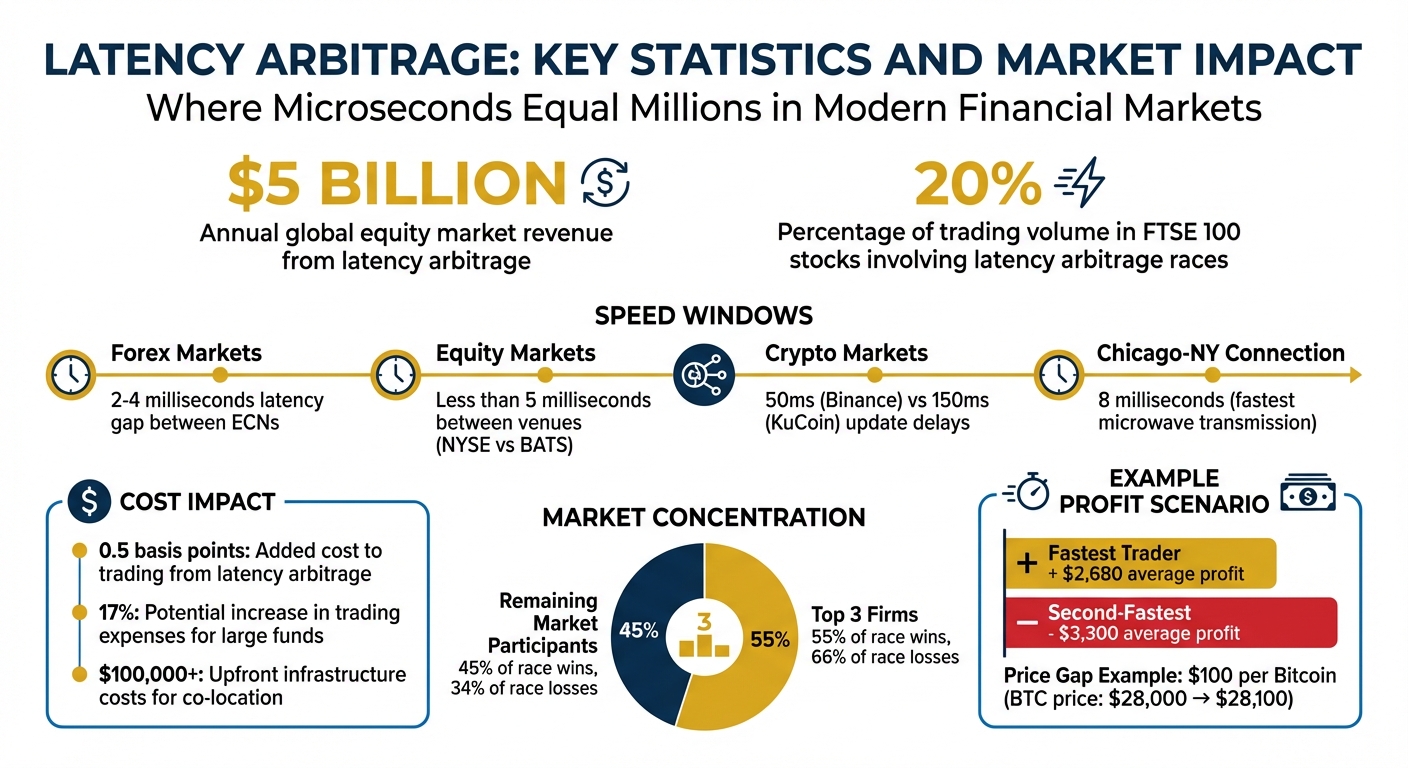
The 2-Second Window That Kills Retail
Rodrigo Coelho from Edge & Node described it in plain terms.
A real-world event happens. A goal is scored. A result is announced. Something changes.
For a few seconds, the market is wrong.
That’s it. That’s the trade.
Bots detect it, execute, and exit before most users even refresh the page.
Two seconds is enough.
I’ve seen this in other markets. Crypto, equities, derivatives. Same pattern every time. Once latency becomes the edge, the game changes permanently.
You’re no longer competing on knowledge.
You’re competing on infrastructure.
AI Is Pushing It Further
Right now, a lot of these systems are still rule-based. Scan → detect → execute.
That’s already enough to wipe out manual traders.
But the next layer is different.
AI systems are starting to:
- parse news flows in real time
- track social signals
- anticipate where mispricings will appear
- adjust strategies dynamically
Not just reacting — positioning.
Tools that used to require quant teams are getting easier to build. Coding agents, APIs, execution frameworks. The barrier is dropping.
That doesn’t level the field.
It makes the race faster.
Retail Is Still There — Just Not Where You Think
Prediction markets still feel accessible.
Simple UI. Clear outcomes. Click, trade, done.
But under the surface, you’re competing against:
- bots scanning constantly
- systems executing in milliseconds
- capital that doesn’t hesitate
This is the same pattern we’ve seen before.
Equities → high-frequency trading
Crypto → arbitrage bots
DeFi → automated strategies
Prediction markets are just catching up. Faster than expected.
Thin Markets Make It Worse
There’s another layer most people underestimate.
Liquidity.
In thinner markets, it doesn’t take much to move price. A single large position can shift probabilities dramatically.
During the 2024 US election cycle, one large position—reportedly around $45 million—moved odds on Donald Trump.
That’s not subtle.
Now imagine that behavior automated:
- enter size
- move sentiment
- trigger reactions
- exit
No deception required. Just structure.
In markets built on perception, that’s enough.
Volume Is Growing — So Is the Problem
Open interest on platforms like Polymarket surged during the election cycle. It’s climbing again.
More users. More capital. More activity.
That should improve efficiency.
It doesn’t—at least not immediately.
What it does is increase the number of exploitable gaps.
More markets → more mismatches → more surface area for bots.
So you end up in a weird phase:
- humans provide volume
- machines extract value
That doesn’t last forever, but it lasts long enough.
Fees Don’t Fix This
Platforms are starting to respond.
Fees. Limits. tweaks.
Polymarket introduced taker fees. Other platforms experiment with friction—delayed settlement, constraints, design adjustments.
These help at the margins.
They don’t solve the core issue.
As long as:
- information hits before price adjusts
- execution speed determines access
Machines win.
This Isn’t Unique to Prediction Markets
What’s happening here already happened elsewhere.
Crypto exchanges? Dominated by arbitrage bots.
DeFi? Automated yield strategies.
Liquidations? Triggered by code, not people.
Prediction markets are just the next layer.
The difference is narrative.
They were marketed as human-driven systems. That’s what makes the shift more obvious.
So What Are These Markets Now?
They still work.
Prices still converge. Probabilities still reflect reality over time.
But the path to that convergence has changed.
It’s no longer:
people slowly incorporating information
It’s:
systems eliminating inefficiency as fast as possible
That’s a different market.
The Likely End State
You don’t need to overthink this.
It ends the same way it did elsewhere:
Two layers.
- Front-end: humans trading, interacting, providing flow
- Back-end: machines capturing inefficiencies
Most users never see the second layer directly.
But they feel it.
Missed entries. Prices that move too fast. Opportunities that disappear before you act.
That’s not bad luck.
That’s structure.
The Real Shift
Prediction markets didn’t fail.
They evolved.
They still aggregate information. They still produce useful signals.
But the economic upside has moved.
From:
being right
To:
being faster
And that shift doesn’t reverse.
Not without breaking the system itself.
Speed is the edge now.
And if you’re not operating at machine speed, you’re not competing—you’re participating.
Disclaimer
This article is for informational and educational purposes only and does not constitute financial, investment, trading, or legal advice. Cryptocurrencies, memecoins, and prediction-market positions are highly speculative and involve significant risk, including the potential loss of all capital.
The analysis presented reflects the author’s opinion at the time of writing and is based on publicly available information, on-chain data, and market observations, which may change without notice. No representation or warranty is made regarding accuracy, completeness, or future performance.
Readers are solely responsible for their investment decisions and should conduct their own independent research and consult a qualified financial professional before engaging in any trading or betting activity. The author and publisher hold no responsibility for any financial losses incurred.