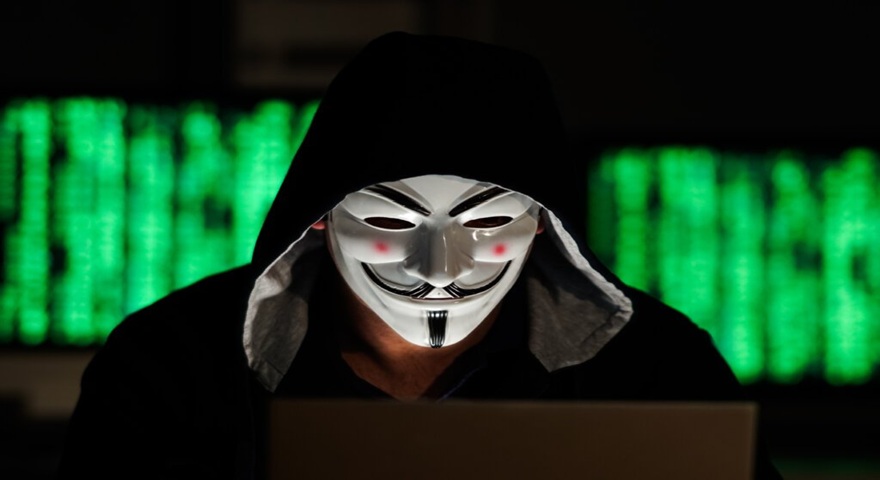
South Korean cryptocurrency exchange Bithumb has confirmed a security breach involving its internal mobile workplace system, with employee-related personal information potentially exposed and investigators examining whether customer data was also compromised.
The exchange detected unauthorized external access on October 27, 2026, and reported the incident to the Korea Internet & Security Agency (KISA) and the Personal Information Protection Commission. The breach was disclosed publicly on October 28.
Bithumb maintains that the affected system operates separately from its cryptocurrency trading infrastructure. There is no confirmed theft of digital assets, and the company has not disclosed a customer-victim count or financial loss associated with the intrusion.
However, the incident has attracted regulatory attention as South Korea confronts a broader series of cyberattacks against financial institutions.
Hackers Access Bithumb’s Internal Employee Communication System
The intrusion targeted Bithumb’s mobile groupware system, an internal workplace platform used by employees for messaging, file sharing and other administrative activities.
According to local reporting, the affected platform uses DaouOffice, a workplace collaboration solution developed by South Korea’s Daou Technology. The system supports internal communications rather than the exchange’s customer-facing cryptocurrency trading operations.
Initial findings pointed primarily to employee-related information. In an October 28 briefing to financial regulators, Bithumb reported indications that information concerning employees at the exchange, its subsidiaries and partner companies had been exposed.
The company is investigating whether messages or documents shared through the compromised system contained personal information belonging to exchange customers.
That distinction remains critical. Although some initial reports suggested customer information had been leaked, Bithumb’s subsequent account to regulators indicated that the exposure of customer records had not yet been established.
The precise number of affected individuals, the categories of information compromised and the method used by the attackers remain under investigation. No publicly confirmed findings have identified the attackers or established how they gained access.
Bithumb has informed employees about the incident and is assessing whether additional notifications or protective measures will be required.
The exchange also emphasized that its internal communications environment is physically separated from the networks supporting cryptocurrency trading and customer assets.
According to Bithumb, the intrusion did not provide access to customers’ virtual assets. The company has reported no cryptocurrency theft associated with the breach.
That reassurance does not resolve the outstanding privacy questions. Investigators must still determine whether the attackers obtained confidential files, customer information or other material that could be exploited outside the compromised system.
South Korean Regulators Launch Emergency Investigation
The incident prompted a direct response from South Korea’s financial authorities on October 28.
The Financial Services Commission (FSC) held an emergency meeting involving the Financial Supervisory Service, the Financial Security Institute, the Digital Asset Exchange Alliance (DAXA) and Bithumb.
In its official statement, the FSC confirmed that the affected infrastructure supported employee operations rather than core cryptocurrency trading functions.
Regulators also said Bithumb had not identified any confirmed exposure of information such as cryptocurrency wallet addresses that could facilitate unauthorized payments or virtual-asset transfers.
The FSC, Financial Supervisory Service and Financial Security Institute have initiated on-site investigations to establish the cause and scope of the incident.
Authorities said they would supervise consumer-protection measures, including full compensation where customer losses are established. This does not mean compensation has already been ordered or that financial losses have been confirmed.
The FSC also indicated that it intends to pursue stronger cybersecurity requirements for virtual-asset businesses, potentially bringing their security standards closer to those applied to major banks.
The investigation comes alongside separate security incidents involving Daishin Securities and Mirae Asset Global Investments.
Daishin Securities reported that personal and credit information belonging to 38,490 customers had been exposed. That figure applies to Daishin, not Bithumb, which has yet to establish the number of people affected by its own breach.
South Korea’s presidential office also called an emergency meeting to coordinate the response to the financial-sector cyberattacks.
The simultaneous incidents have increased pressure on financial institutions to demonstrate that their security controls extend beyond transaction-processing systems to employee applications, external services and administrative infrastructure.
Why a Data Breach Matters Even Without Cryptocurrency Theft
For cryptocurrency investors, the most immediate reassurance is that Bithumb has not reported stolen customer funds. Nevertheless, the absence of a confirmed asset loss does not make an internal data breach insignificant.
Cryptocurrency platforms manage more than wallets and trading orders. Their employees may handle customer inquiries, identification documents, compliance cases and operational records. If sensitive information travels through internal communications, a compromise of those systems can create risks even when the trading platform itself remains protected.
One concern is targeted social engineering. Information about employees, their responsibilities or internal processes could potentially help attackers impersonate trusted personnel or construct more convincing fraudulent messages.
This is not evidence that such attacks have occurred at Bithumb. It is a possible secondary risk that depends on the information actually obtained.
Similar concerns arise when criminals exploit seemingly legitimate financial communications. Previous incidents involving phishing attacks against brokerage accounts illustrate how attackers can use deceptive messages and authentication weaknesses to reach customers without compromising an institution’s central trading infrastructure.
Another important distinction is between exposure of personal information and direct asset theft. In a previously reported incident involving customer records found in a dark-web data leak, the central concern involved personal information even as the bank maintained that its funds and core systems remained secure.
Bithumb’s case raises a comparable question: how much information was accessible outside the protected trading environment, and what practical risks could that exposure create?
What Bithumb Customers and Crypto Investors Should Watch Next
The investigation’s outcome could affect how customers assess Bithumb’s operational reliability, even if no digital assets were stolen.
Three developments will be particularly important: confirmation of whether customer information was exposed, identification of the attack method and evidence that the compromised environment has been secured.
If the breach proves limited to employee information, the immediate implications for retail customers may be relatively contained. However, exposure of sensitive customer records could increase the need for fraud monitoring, direct notifications and additional security controls.
The financial consequences also remain uncertain. Investigation costs, remediation expenses, potential compensation and regulatory compliance requirements could become more significant if the incident’s scope expands.
It is useful to distinguish this case from incidents involving confirmed cryptocurrency losses. For example, CoinDCX’s $15.99 million wallet-sweep loss involved an identifiable financial impact linked to compromised cryptocurrency infrastructure. No comparable loss has been established at Bithumb.
For now, customers should remain alert to unexpected account-related communications, use verified official channels and maintain strong authentication protections. There is currently no publicly established basis for claiming that all Bithumb customers must replace their credentials or move their assets because of this incident.
The broader regulatory response could ultimately prove more consequential than the intrusion itself. If South Korea introduces stricter security obligations for cryptocurrency exchanges, operators may face higher compliance costs but could also benefit from improved customer confidence.
The central issue is whether the separation between Bithumb’s employee systems and trading infrastructure was sufficient to prevent the incident from becoming a larger customer-security problem.
Until investigators establish the full extent of the exposure, the evidence supports a confirmed internal-system intrusion and employee-data incident, not a confirmed customer cryptocurrency theft. How quickly Bithumb resolves the remaining uncertainties will help determine the longer-term implications for users and confidence in the exchange.

Johan Shamshad is a financial markets writer at Dave Finances covering cryptocurrencies, trading platforms, brokers, fintech, financial regulation, and developments across global markets. He previously worked at Gulf News, adding newsroom experience to his coverage of fast-moving financial and digital-asset markets.
His work focuses on identifying market-moving events, company developments, regulatory changes, product launches, and shifts in trading and financial infrastructure.
Johan contributes news and analysis designed to help readers understand not only what happened, but why a development matters and how it may affect the wider financial landscape. You can reach out to him via his social media accounts:
Linkedin: https://www.linkedin.com/in/johan-shamshad-742851262/
X: https://x.com/Yasmine_FX
Investing: https://www.investing.com/members/contributors/279781574