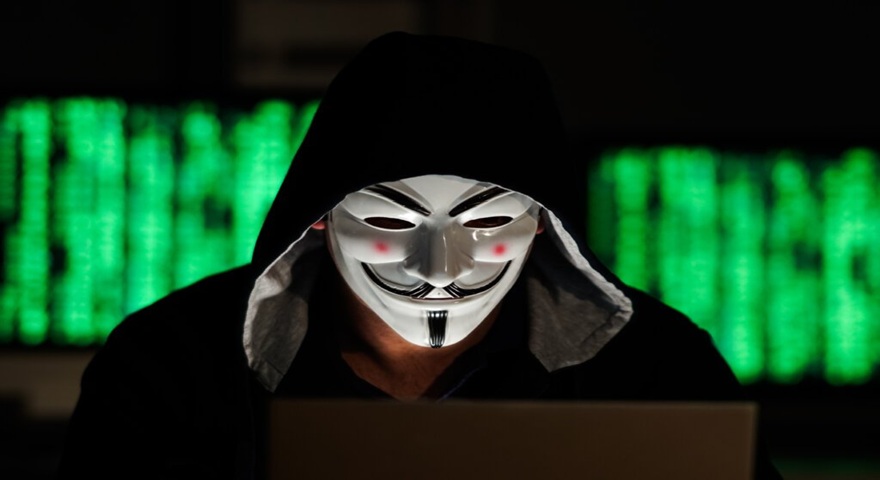
Rakuten Securities warned on November 17 that information held in a testing environment may have been exposed following suspected unauthorized access to part of its infrastructure. The Japanese online brokerage identified up to 11.25 million account records potentially involving branch and customer codes and login IDs. It seperately identified up to 4.47 million account records that may include detailed personal and financial information.
The numbers are big, but they do not answer the same question. They describe different categories of information potentially exposed, not confirmed totals of stolen records or unique individuals affected. Rakuten did not establish in its announcement whether the groups overlap, so adding the maximum estimates would not yield a reliable count of distinct affected accounts.
Financial and banking details within the wider data set
The more sensitive category could include names, names in Japanese kana, dates of birth, postal addresses, telephone numbers, email addresses and employers. It may also contain designated withdrawal bank details, including financial institutions, account numbers and account-holder names, as well as self-reported annual income, financial assets, holdings by product and last-login dates.
The company said the information in scope includes records relating to former customers. Its disclosure does not establish that every listed field was present for every account or that all records in the possible exposure range were actually taken.
The variety of potential information exceeds the email records involved in another recent Japanese brokerage incident. Monex Securities disclosed a possible exposure of up to 1.13 million email-address records on November 13, alongside a smaller set of identity-document images. The two investigations concern different systems and should not be treated as a single incident.
November 11 exposure predates the detection
Rakuten said it detected indications of possible third-party unauthorized access on November 16 and blocked access to the affected area while carrying out remedial changes. Its subsequent investigation identified a risk that information managed in the test environment had leaked externally on November 11. That occured before the detection, not after it.
The brokerage has not yet disclosed the entry method, the actor responsible or a definitive account of what information, if any, was extracted. It said its investigation into the cause and sequence of events is continuing and that it has identified the customers within the affected scope for individual notification.
Old accounts count here, too. The inclusion of former customers raises a data-retention question distinct from whether current trading services were compromised. In a different incident, historical brokerage records held by DriveWealth prompted notices to former Revolut trading users after their original service arrangements had changed.
No trading passwords or unauthorized trades identified
Rakuten said it had found no evidence that login passwords, trading PINs or other credentials necessary for securities transactions were leaked. It also reported no unauthorized customer-account access or trading it could attribute to this incident as of its November 17 statement. Those findings do not establish that the personal data in the test environment was inaccessible.
The distinction is different from a customer-credential phishing attack. Mitsubishi UFJ eSmart Securities recently confirmed unauthorized account access linked to email one-time-password phishing; Rakuten’s new disclosure concerns suspected access to its own systems, with no comparable trading-account takeover identified so far.
Rakuten said more than 90% of customers who log in on a typical day use passkey authentication, which it is moving to make mandatory. That statistic concerns daily login activity, not all accounts in the possible data-exposure scope. Still, a passkey does not make an old address or withdrawal-account detail disappear.
Detailed account profiles could support impersonation
Names, contact details, employers and withdrawal-account information could make a fraudulent message more persuasive if the records were obtained by criminals. Holdings and declared financial assets could also allow more tailored attempts at deception. This is a potential downstream risk, not evidence that such misuse has already happened.
Japan’s Financial Services Agency has warned about phishing and unauthorized securities trading and advises customers to use bookmarked official websites, stronger authentication and account monitoring. Its guidance describes an industry-wide problem, not a finding that Rakuten customers have suffered unauthorized trades in this incident.
Rakuten told customers that its own emails do not include URLs and that it does not ask for personal or login details by phone. Customers who recieve suspicious messages should contact the broker through established channels rather than following links supplied by an unexpected sender. There is the awkward part: a real security alert can itself provide the pretext for a fake one.
An independant determination of how much data actually left the testing environment is not available in the announcement. Rakuten said it would continue investigating the cause and scope and issue further updates if new facts emerge.

Johan Shamshad is Editor-in-Chief at Dave Finances, covering financial markets, digital assets, trading platforms, brokers, fintech, payments and regulation. Since 2023, he has also worked as an editor at Gulf News, the UAE English-language newspaper published by Al Nisr Publishing LLC. His work focuses on market-moving developments, company disclosures, regulatory changes and trading infrastructure, with an emphasis on primary-source verification and practical context for traders and investors.