
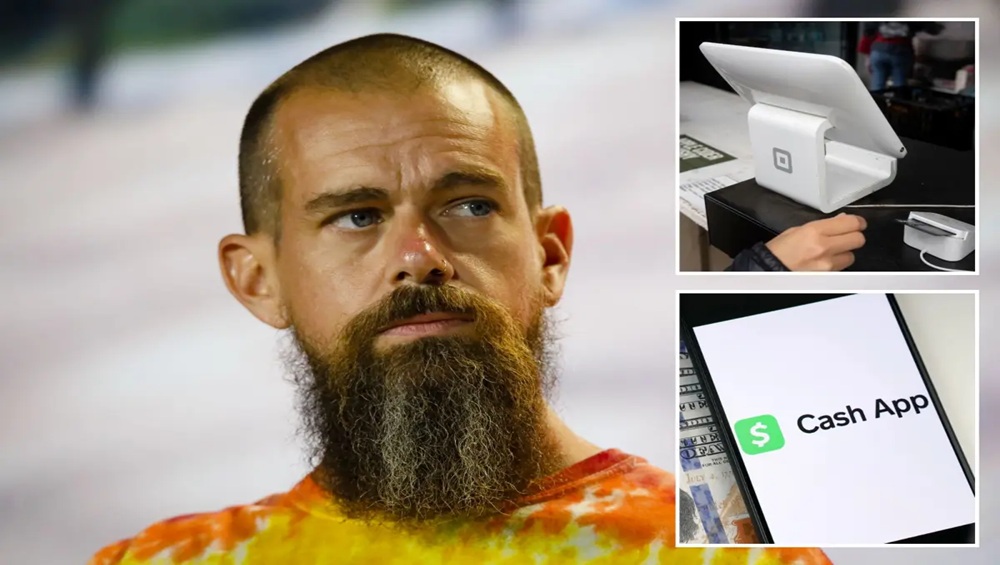
Block’s $45M Cash App Settlement Shows the Cost of Selling Bank-Like Trust Without Bank-Like Protection
Block has agreed to pay $45 million to settle allegations from regulators in nearly every US state that the company failed to properly protect Cash App users from fraud and misled customers about the app’s safety.
The settlement centers on claims that Block marketed Cash App as offering protections comparable to a traditional bank, leading users to believe their money was safeguarded in similar ways. Regulators said those claims were misleading because Cash App allegedly lacked adequate fraud controls, consistent detection systems and reliable customer support for scam victims.
The New York Attorney General’s Office said Cash App users were exposed to widespread fraud while the company continued to promote the platform as safe and secure. Attorney General Letitia James said users lost money to scams because Block prioritized growth and profits over customer protection.
The allegations focused partly on Cash App’s customer base. Regulators said Block targeted unbanked and underbanked consumers, some of whom used Cash App as their main financial account. That made the alleged gaps in fraud response and customer support more serious, because many users were relying on the app for everyday financial activity rather than casual peer-to-peer transfers.
Prosecutors also criticized Cash App’s “Cash App Friday” promotion, a social media campaign that encouraged users to post their unique app identifiers to win prizes. Regulators said fraudsters used the campaign to identify potential victims, contact them with fake prize claims and trick them into handing over login information.
According to the states, Block knew these scams were happening but continued running the promotion while training staff to expect complaints from defrauded users.
As part of the settlement, Block must maintain customer support services for fraud complaints and other user issues. The company must also provide live support 24 hours a day and stop making certain claims about Cash App’s safety.
Block denied wrongdoing under the consent judgment. A company spokesperson said the settlement resolves a previously disclosed legacy matter tied mainly to historical parts of the business.
The spokesperson said Cash App has made major investments in consumer protection, customer service and compliance to support the tens of millions of Americans who use the app for banking and credit needs.
The settlement adds another regulatory hit for one of the most widely used fintech apps in the US. Cash App has become a major part of Block’s business, especially among younger, lower-income and underbanked users who often treat digital wallets as primary financial tools.
That popularity also makes regulatory scrutiny harder to avoid. When a payments app starts functioning like a bank account for millions of people, regulators tend to judge it by a higher standard — even if the product is not technically a bank.
Shares of Block were down about 1.5% following the announcement.
Cash App Sold Bank-Like Safety, Then Got Dragged Into a Bank-Like Accountability Fight
This one is not complicated.
If you market like a bank, if users treat you like a bank, and if your app becomes the place where underbanked people keep real money, regulators are eventually going to ask a very basic question:
Do you protect people like a bank?
That is where Cash App got hit.
The $45 million settlement is not just about fraud complaints. It is about the gap between the trust Cash App wanted and the responsibility that comes with that trust.
And I think that gap is the whole story.
Cash App was never just a cute peer-to-peer payment app. Not anymore. For a lot of users, especially unbanked and underbanked people, it became the financial home screen. Paychecks. Transfers. Spending. Bitcoin. Debit cards. Small-dollar financial life.
That changes the standard.
You cannot court users who lack traditional banking access, tell them the app is safe, let the brand feel bank-adjacent, and then act surprised when regulators treat fraud failures as something bigger than ordinary app glitches.
That is the fintech trap.
Move fast. Acquire users. Wrap the product in trust language. Then discover that financial trust has a bill attached.
And now Block is paying part of it.
The “Cash App Friday” detail is the ugliest part for me.
Users posted their identifiers to win prizes. Fraudsters allegedly used that visibility to run scams. Fake winner messages. Credential theft. Account takeover. Classic social-engineering garbage.
But the key allegation is not that scammers existed. Scammers always exist.
The allegation is that Block knew the pattern and kept the promotion running.
That is the part that changes the vibe.
Because once a company knows a marketing mechanic is creating a hunting ground for fraudsters, it is not just a growth campaign anymore. It is a risk surface.
And if you keep pushing it anyway, regulators will not care how fun or viral it looked.
They will call it what they think it is: profit before protection.
I am usually skeptical when regulators frame every fintech issue as consumer harm. Sometimes they flatten nuance. Sometimes they punish innovation because the rules were written for another era.
Not here.
Here, the basic complaint makes sense.
A payment app with tens of millions of users needs real fraud support. Not maze-like help pages. Not dead-end bots. Not “please wait while we review.” Real support. Especially when people are losing access to money they actually need.
The 24/7 live support requirement tells you where regulators think the failure sat.
Not only in fraud prevention.
In response.
That matters because fraud is never fully preventable. Even banks get hit. Even mature payment networks deal with scams every day.
The difference is what happens after the user screams for help.
Can they reach someone?
Can they freeze the damage?
Can they dispute the transaction?
Can they recover funds?
Can they even understand what happened?
If the answer is no, the app is not just vulnerable. It is hostile to normal people.
And normal people are exactly who Cash App built its brand around.
That is the irony.
Cash App grew by feeling simpler than banking. Less paperwork. Less friction. More cultural relevance. More social-native. More accessible.
But fraud loves simplicity too.
Fraudsters love fast transfers. They love public identifiers. They love users who do not know what support pathway to use. They love products that feel informal but move real money.
That is why fintech safety cannot just be vibes.
It has to be infrastructure.
I also think the underbanked angle is critical. This is not just a demographic note. It is the leverage point.
If someone has three bank accounts, two credit cards and a financial cushion, a Cash App scam hurts. But they may have fallback options.
If Cash App is their main account, the damage hits different.
Rent money gone.
Groceries gone.
Paycheck disrupted.
No branch to walk into.
No banker to call.
No institutional muscle behind them.
That is why regulators are leaning hard on the “bank-like” framing.
Not because Cash App literally became a bank, but because it occupied bank-like space in people’s lives.
And once you occupy that space, disclaimers only take you so far.
Block denying wrongdoing is expected. That is settlement choreography. Nobody should read too much into it either way.
The company also says it has made major investments in consumer protection, customer service and compliance. Fine. Good. It should have.
But the market should read this as another reminder that fintech scale is not free.
The bigger you get, the more your old growth hacks become liabilities.
A promotion that looks clever at 500,000 users can look reckless at 50 million.
A support backlog that looks annoying in year one can become a regulatory case later.
A safety claim that sounds like marketing can become evidence.
That last part is important.
Fintech companies love trust language. Safe. Secure. Protected. Bank-grade. Encrypted. Monitored. Reliable.
Those words are not decoration anymore. Regulators are treating them like promises.
And if the product experience does not match the promise, you have a problem.
For Block, the financial penalty is manageable. $45 million is not existential.
The real risk is operational drag.
More support requirements. More compliance spend. More oversight. Less freedom to run growth campaigns that blur the line between social engagement and financial exposure.
That is not a death blow.
But it changes the economics.
Cash App’s appeal has always been part utility, part culture. It lived in social feeds, music references, giveaways, creator payments, peer-to-peer habits. That cultural layer helped it grow fast.
Now the question is whether it can keep that edge while behaving more like serious financial infrastructure.
That is hard.
Banks are boring for a reason.
Boring is expensive.
Boring is controlled.
Boring has call centers, monitoring systems, audit trails, escalation paths and legal review slowing everything down.
Fintech hates boring until fraud shows up.
Then boring suddenly looks like survival.
What I’d watch now is whether this settlement becomes part of a wider pattern. Regulators have already been circling fintechs that serve bank-like functions without bank-like obligations. Cash App is too big and too culturally visible to avoid being a test case.
PayPal, Venmo, Chime-style products, neobanks, crypto apps with card features — all of them should be reading this carefully.
Because the message is blunt:
You do not get to be “not a bank” when that helps you avoid obligations, then “like a bank” when that helps you win trust.
Pick a lane.
Or regulators will pick it for you.