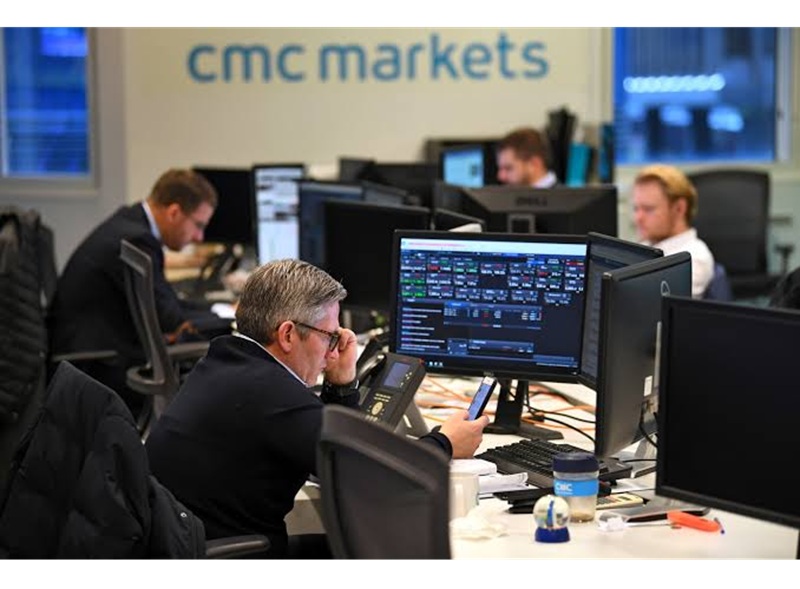
CMC Markets experienced a two-hour pricing disruption affecting its 24/5 US securities offering on October 21, 2026, after a problem involving an external pricing provider, according to an official incident report published by the London-listed broker.
The company first acknowledged intermittent pricing difficulties at 04:42 UTC and confirmed that the incident had been resolved at 06:42 UTC. Its status record identified several potentially affected trading systems, including the web and mobile platforms, MetaTrader, institutional APIs, DMA IRESS and options.
The disruption raises questions about the reliability of overnight US securities pricing and whether customers experienced difficulties executing or managing positions during the affected period. However, CMC has not disclosed which securities were involved, how many customers were affected or whether any orders failed.
What Happened During the October 21 Pricing Disruption?
According to the official CMC Markets incident report, the company identified intermittent technical difficulties involving the pricing of 24/5 US securities at 04:42 UTC.
CMC attributed the problem to its external pricing provider and said resolving the issue was a priority. Customers requiring assistance were directed to the company’s live-chat service.
At 04:50 UTC, the broker issued a further update confirming that remediation efforts were continuing. The next published update, at 06:42 UTC, marked the incident as resolved.
The recorded timeline establishes a two-hour disruption window, although the company has not specified when the underlying provider first began experiencing difficulties or whether pricing was continuously affected throughout that period.
The disclosure also does not establish whether customers received incorrect quotes, delayed prices or no executable prices for certain securities.
Those distinctions matter because a delayed market-data display does not necessarily have the same trading consequences as an unavailable executable quote.
Which CMC Trading Platforms and Customers Were Affected?
CMC classified the incident under its global CFD business and associated it with seven components: web platform, mobile platform, trading, MetaTrader, institutional APIs, DMA IRESS and options.
However, the inclusion of these components in the incident record does not establish that each platform became completely unavailable. It indicates the systems covered by the notification, not the extent of functional disruption within each service.
The affected securities were not identified by ticker or asset category beyond the reference to 24/5 US securities.
In July 2026, CMC expanded its US trading offering to more than 5,000 shares and exchange-traded funds available for 24/5 trading where overnight pricing is supported. The company also extended trading access for CMC Invest customers.
That expansion increases the relevance of overnight pricing infrastructure, but it would be incorrect to conclude that all 5,000-plus securities were affected by the October incident.
CMC has not established whether the problem involved a limited group of instruments, a specific pricing feed or a wider portion of its overnight securities offering.
Blue Ocean ATS Suffered an Overlapping Overnight Trading Incident
The timing coincided with a separately confirmed disruption at Blue Ocean ATS, an alternative trading system supporting overnight US equity trading.
According to operational updates published by brokerage technology provider Alpaca, Blue Ocean halted trading at 23:46 Eastern Time on October 20 after network connectivity problems involving an external provider.
Alpaca temporarily suspended overnight fractional-share trading and warned that some market-data feeds were unavailable or stale. It reported the restoration of overnight market data at 06:43 UTC on October 21, shortly after CMC marked its own incident resolved.
The overlap is notable because both disruptions involved external technology dependencies during overnight US securities trading.
However, there is no verified evidence that CMC Markets used Blue Ocean ATS as its affected pricing provider or that the two incidents shared a technical cause. The similarities in timing are insufficient to establish a connection.
CMC Markets Had Already Reported an October Trading Incident
The pricing disruption follows a separate problem earlier this month.
On October 1, CMC reported intermittent technical difficulties affecting order processing between 02:25 and 03:30 UTC. Dave Finances previously examined the 65-minute CMC Markets order-processing incident, noting that the broker had not disclosed whether customers experienced rejected, delayed or unsuccessful orders.
The company’s incident history also includes options-related problems involving the AXJO, SPX and VIX markets in September.
These earlier incidents are distinct from the October 21 pricing disruption. No common underlying technical cause has been established.
CMC reported group-wide platform uptime of 99.98% for its financial year ended March 2026, compared with 99.93% the previous year. The measure reflects the percentage of trading hours during which customers could trade on its Next Generation and Invest platforms.
The October incidents occurred in the following financial year and cannot be directly incorporated into the previously reported figure.
Why a Pricing Failure Can Matter More Than a Temporary Platform Outage
The financial implications of the October 21 disruption depend on what traders could actually do while pricing was affected.
If the problem involved only delayed indicative quotes while execution continued normally, the direct impact might have been relatively limited.
But if executable prices were unavailable, customers could potentially have encountered difficulties opening positions, reducing exposure or closing leveraged trades.
Stop-loss and pending-order behavior is another important unknown. Different order types depend on specific price triggers, available market data and the broker’s execution arrangements. A disruption in the pricing chain could affect these processes, depending on the system design and the nature of the failure.
There is currently no verified evidence that CMC’s stop orders failed or that customers incurred losses because of the incident.
Nevertheless, the distinction is significant. Previous Capital.com customer complaints about trading interruptions illustrated how problems accessing or managing leveraged positions can become more consequential than an ordinary temporary service interruption.
The October 21 event therefore deserves scrutiny at the execution level rather than being assessed solely by its two-hour duration.
CMC’s Institutional Expansion Makes Pricing Reliability More Important
For CMC shareholders, the larger issue concerns how technology reliability fits into the company’s changing business model.
CMC is expanding beyond its traditional retail CFD brokerage operations into a broader financial-services and technology business serving institutional clients, banks and other intermediaries.
Its strategy increasingly depends on providing reliable execution, pricing, connectivity and trading infrastructure to external partners.
The company is also developing new business lines. Its recently disclosed plans to build a fixed-income trading desk illustrate how the group’s activities are extending into markets where dependable pricing and institutional-grade infrastructure are particularly important.
This expansion potentially creates more recurring business relationships and new revenue opportunities. It also increases the operational significance of technology failures.
A retail customer may experience an isolated pricing problem directly. An institutional partner relying on broker-supplied infrastructure could potentially transmit the consequences to a wider group of end customers.
That risk is one reason operational resilience becomes more important as brokerage businesses grow into technology providers.
CMC’s financial development reinforces the point. The company reported £392.6 million in net operating income for FY2026, up 15%, while pretax profit rose 20% to £101.3 million.
It has also strengthened its funding structure through a £250 million Tier 2 capital issuance, supporting its broader transition toward a more diversified financial-services model.
Those financial developments do not suggest that the October 21 incident created a material financial loss. Instead, they explain why investors may increasingly scrutinize operational performance alongside revenue and earnings growth.
What Should CMC Markets Investors and Traders Watch Next?
The most useful next disclosure would identify the securities affected and clarify whether pricing problems prevented order submission, execution, modification or cancellation.
Information about stop-loss processing, institutional API performance and the availability of alternative pricing feeds would also help establish the incident’s significance.
Confirmation of whether the external provider experienced a localized problem or a broader market-data failure would clarify the potential for similar disruptions in the future.
For now, the verified facts establish a two-hour pricing incident involving an external provider and several listed trading-system components. They do not establish a complete platform outage, customer losses or a connection to Blue Ocean ATS.
As CMC Markets expands its overnight trading offering and institutional operations, the more important question is not simply how quickly an incident is resolved, but whether customers can continue managing their market exposure when a critical external service fails.

Johan Shamshad is a financial markets writer at Dave Finances covering cryptocurrencies, trading platforms, brokers, fintech, financial regulation, and developments across global markets. He previously worked at Gulf News, adding newsroom experience to his coverage of fast-moving financial and digital-asset markets.
His work focuses on identifying market-moving events, company developments, regulatory changes, product launches, and shifts in trading and financial infrastructure.
Johan contributes news and analysis designed to help readers understand not only what happened, but why a development matters and how it may affect the wider financial landscape. You can reach out to him via his social media accounts:
Linkedin: https://www.linkedin.com/in/johan-shamshad-742851262/
X: https://x.com/Yasmine_FX
Investing: https://www.investing.com/members/contributors/279781574